

Efficiency: CNC machines can automate many manufacturing tasks, increasing efficiency and productivity.
Flexibility: CNC machines can be easily reprogrammed to produce different parts, making them highly flexible.
Repeatability: CNC machines can consistently produce parts to the same specifications.
Reduced Waste: CNC machines can minimize waste by producing parts with minimal material scrap.
Challenges and Considerations
While CNC machining offers many benefits, it also presents some challenges:
Initial Investment: CNC machines can be expensive to purchase and maintain.
Skill Requirements: Operators of CNC machines need specialized skills and training.
Tooling Costs: CNC machining can require a significant investment in tools and fixtures.
Programming Complexity: Programming CNC machines can be complex, especially for complex parts.
The Future of CNC Machining
CNC machining continues to evolve, with advancements in technology leading to increased capabilities and efficiency. Some of the trends shaping the future of CNC machining include:
Additive Manufacturing Integration: Combining CNC machining with additive manufacturing techniques to create complex parts in cabinet,
Automation and Robotics: Increasing automation and robotics in CNC machining to improve efficiency and productivity.
Smart Manufacturing: Implementing smart manufacturing technologies to optimize CNC machining processes.
Sustainable Manufacturing: Adopting sustainable practices in CNC machining to reduce environmental impact.
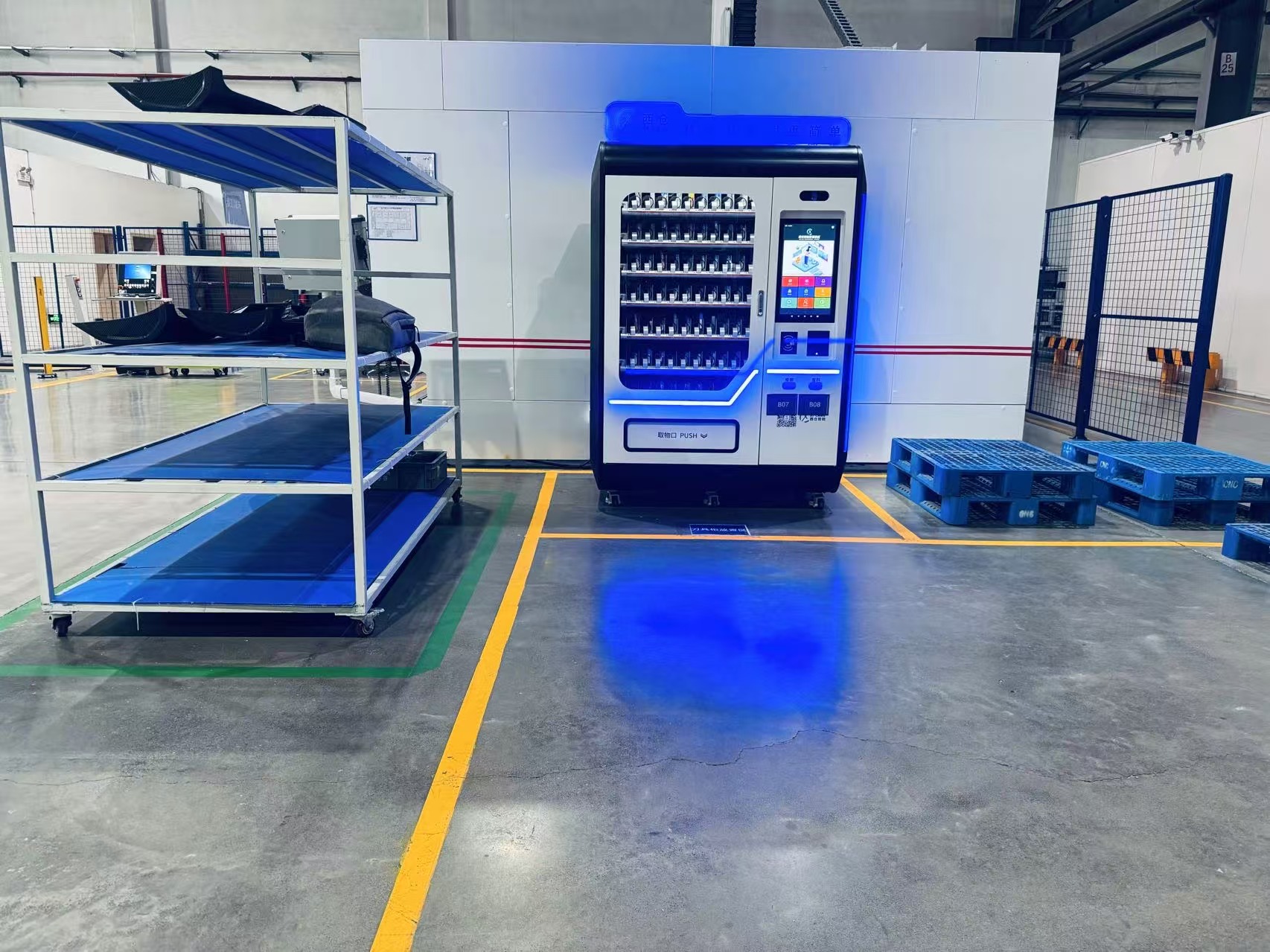
In conclusion, CNC machining companies play a vital role in various industries, providing precision manufacturing solutions for a wide range of applications. As technology continues to advance, CNC machining cabinets ,tool tracking ,will remain an essential component of modern manufacturing smart cabinet.